
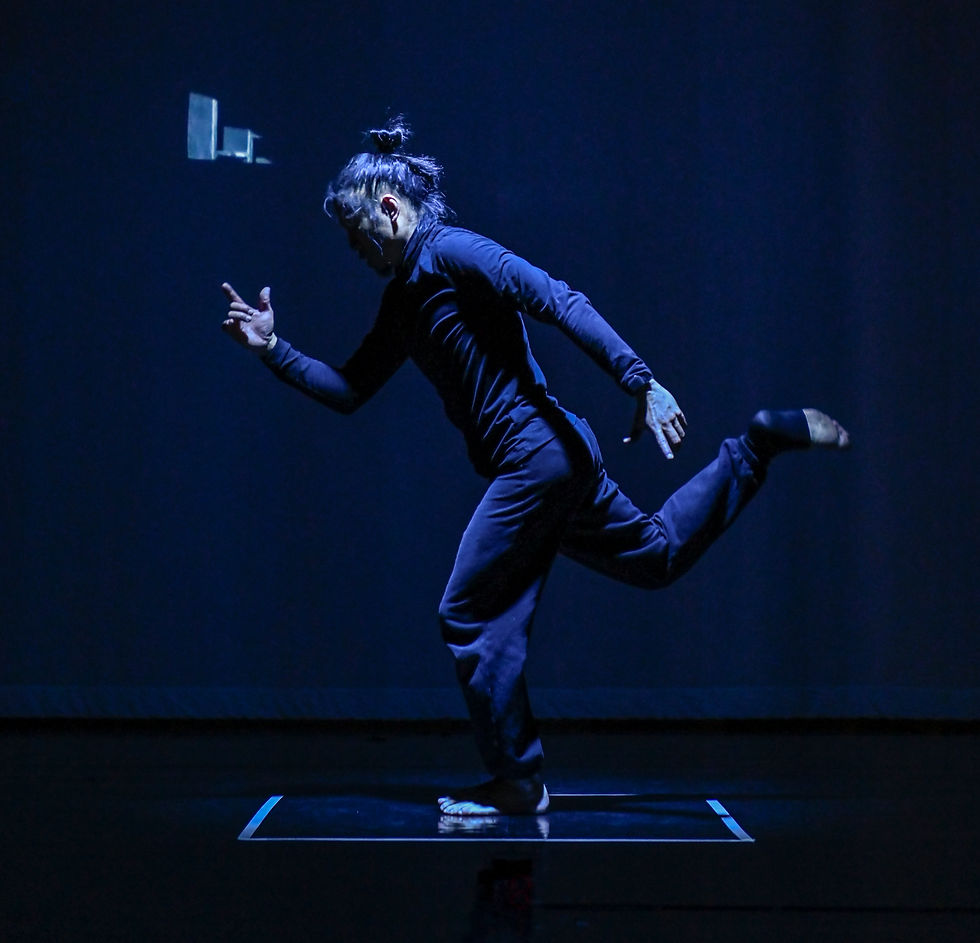
1626 is an interdisciplinary performance research project by choreographer and performer Lee Kin-wai (Max) and composer and sound artist Wu Hou-lam (Eagle), bringing together their backgrounds in construction, architecture, performance, sound and visual media.
The project began with a shared question: how does the space we live in shape the way we live?
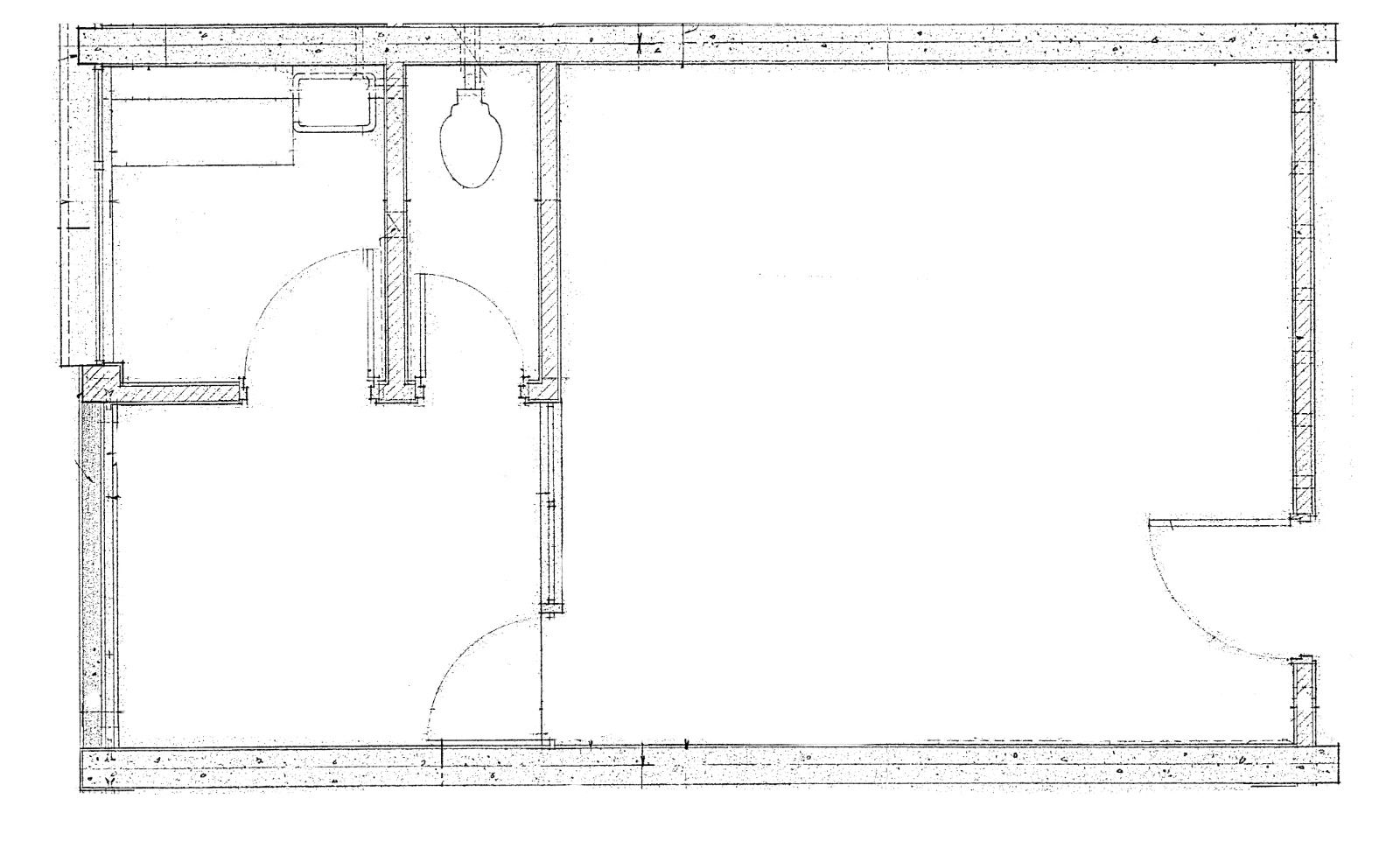
Hong Kong’s public housing estates provide the starting point. Built to accommodate large numbers of people within limited space, these estates were never simply places to live. Their architecture shaped how people moved, gathered, played, worked and lived together. In older estates, narrow flats often extended into corridors, staircases, courtyards and other shared spaces. These spaces became part of everyday life, creating forms of neighbourhood interaction and community beyond the walls of the home.
As housing estates change and older buildings disappear, these relationships with space also change. Homes become more private and self-contained, while many of the shared spaces that once supported everyday encounters are reduced or transformed. The physical environment changes, but so does the way people experience one another within it.
For Max, who grew up in a Hong Kong public housing estate, this is also a personal encounter with a changing sense of place. A home can remain in memory long after its physical surroundings have disappeared. What happens to the memories, relationships and ways of living that were formed within a particular space?
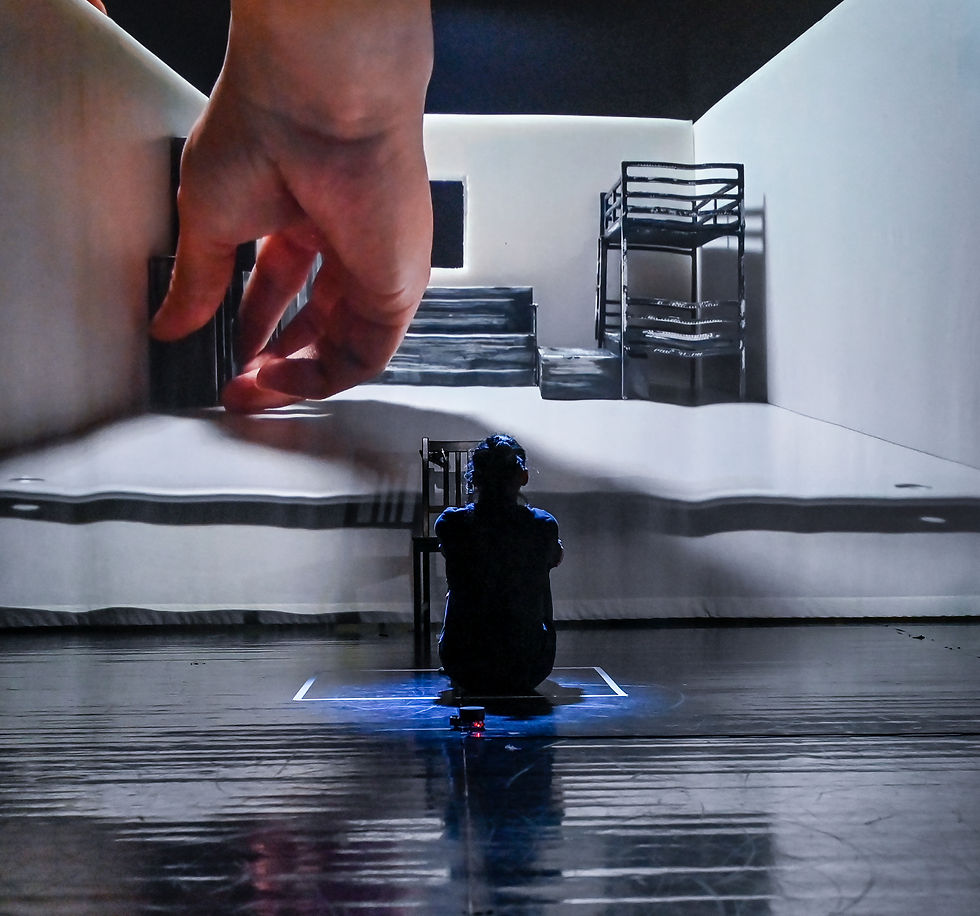
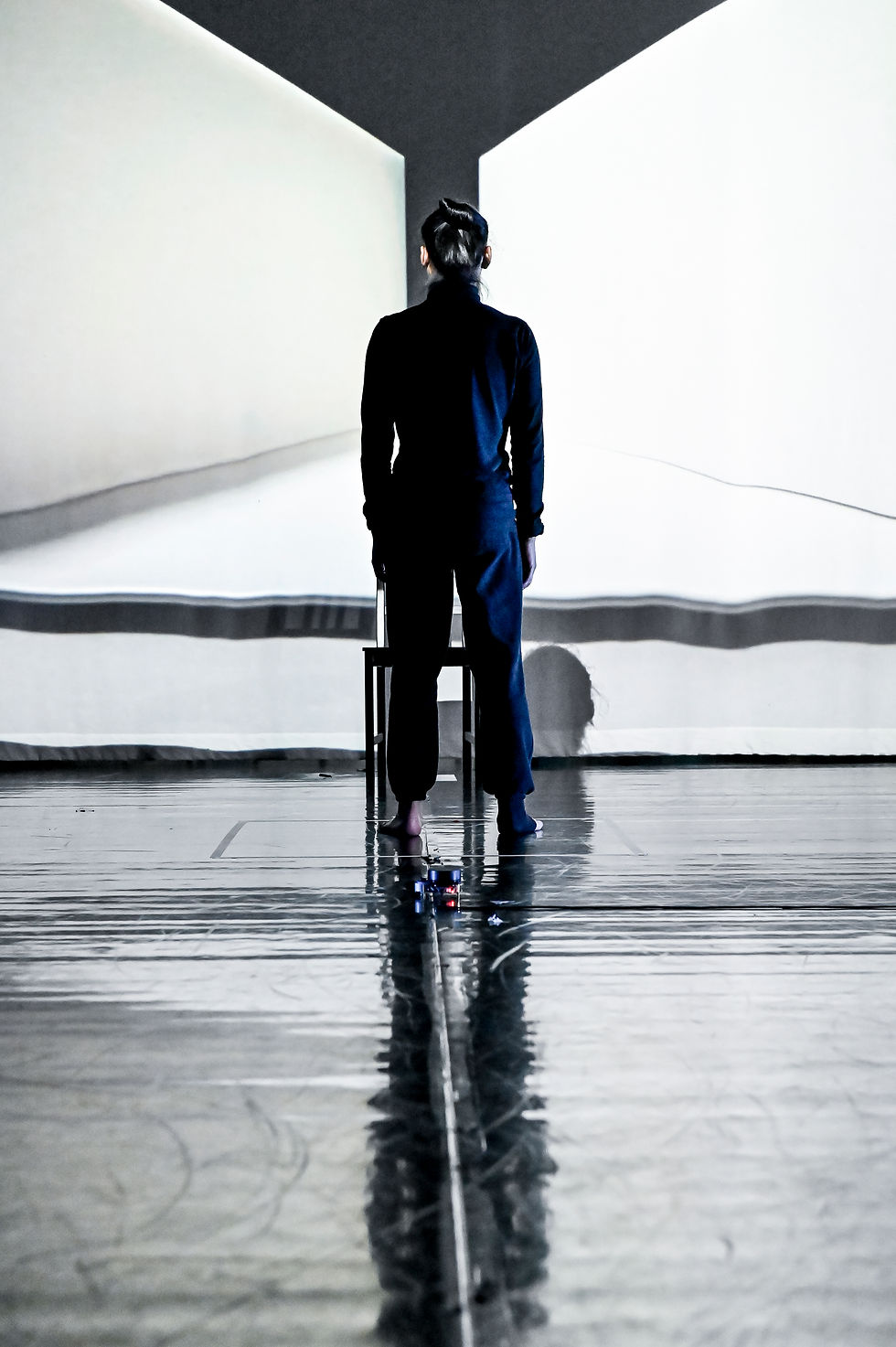
The project explores these questions through a movable architectural model based on lived experience rather than architectural documentation. Furniture, walls and the orientation of the model are manipulated live, while cameras and projectors capture and transform the space, creating shifting environments within the performance space. Sound, image and movement respond to these changes in real time.
The model becomes more than a representation of a home. It becomes a space that can be rearranged, observed, remembered and lost.
Through performance, sound, installation, live camera and projection, 1626 explores the relationship between architecture, memory and the body, asking where the boundaries lie between living, adapting and surviving — and what remains when the spaces we once called home begin to change.
Development: Company Chameleon UPLIFT Artist in Residency Programme